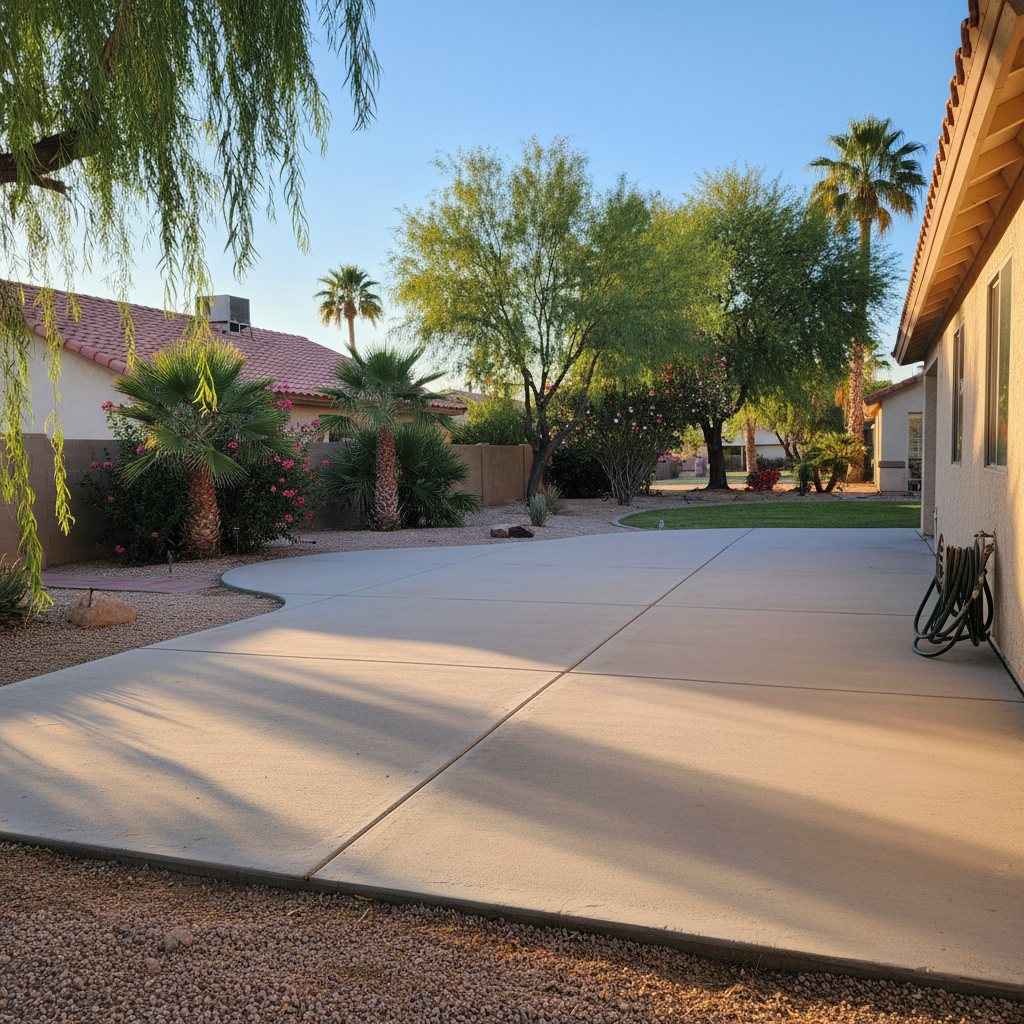
Alright, let's talk about your concrete here in Bullhead City. You've put good money into your driveway, patio, or foundation, and naturally, you want it to last. But let's be real, our desert climate isn't exactly gentle on anything, especially concrete. That intense sun, those triple-digit temperatures for months on end, even the occasional heavy monsoon downpours — they really put it to the test. So, how do you keep your concrete from turning into a cracked mess after just a few years?
Extend Your Concrete's Lifespan in the Arizona Sun
The single most important thing you can do to extend your concrete's life, especially out here, is proper sealing. Think of it like sunscreen for your concrete. A good quality penetrating sealer, put on correctly, creates a barrier. This barrier protects against moisture, UV rays, and even oil stains. We usually tell folks to reapply it every 2-5 years. The exact timing depends on how much traffic it gets and how much sun it sees. If your driveway gets a lot of action or sits in direct, all-day sun, you'll want to lean towards the shorter end of that timeline. It's a small investment, truly, but it pays off big time by preventing surface deterioration and color fading.
Another key factor is managing water. Sure, we don't get a ton of rain, but when it does come, it can be pretty intense. Make sure your gutters are working right and directing water away from your concrete slabs. Standing water, especially around foundations, is a huge no-no. It can actually undermine the base, which then leads to settling and cracking. If you've got a patio, double-check that it's graded properly so water drains off quickly.
Regular Maintenance: Simple Steps for Lasting Concrete
Regular maintenance for concrete isn't rocket science, but people often overlook it. The first thing? Keep it clean. Dirt, dust, and other debris can hold moisture against the surface and, over time, cause wear. A simple sweep and an occasional rinse with a garden hose can work wonders. For tougher stains, a mild detergent and a stiff brush usually do the trick. Just steer clear of harsh chemicals or pressure washing that's too powerful; that can actually damage the sealer or even the concrete surface itself.
If you spot any cracks, even tiny ones, deal with them fast. Small cracks can quickly become big problems, especially with our temperature swings. Water gets in, expands and contracts, and before you know it, that tiny hairline crack is a gaping chasm. You can find good quality crack fillers at most hardware stores. Just clean the crack thoroughly, apply the filler, and make sure it cures properly. It's a preventative measure that saves you from bigger headaches down the road, believe me.
Warning Signs: What to Look Out For
Your concrete usually drops hints when something's not quite right. Don't ignore these signals:
- Hairline Cracks Spreading: A few small, isolated cracks are often normal, but if you see them growing longer, wider, or branching out like spiderwebs, that's a red flag.
- Uneven Surfaces or Sinking: If one section of your driveway or patio starts to sink or lift, creating an uneven surface, it's a sign of a problem with the sub-base. This could be due to soil erosion, poor compaction, or even plumbing leaks underneath.
- Pitting or Spalling: This is when small pieces of the concrete surface flake off, leaving behind a rough, pitted texture. It's often caused by moisture damage, freeze-thaw cycles (less common here, but can happen with standing water), or improper finishing.
- Discoloration or Stains That Won't Clean: While some stains are just surface grime, persistent dark spots or streaks can indicate moisture issues or even rebar corrosion underneath.
- Cracks in Foundation Walls: If you've got a concrete foundation, any significant cracks, especially horizontal ones or those wider than a quarter-inch, need immediate attention.
When to Call a Professional
Look, there's a point where DIY stops being cost-effective or even safe. If you're seeing any of those major warning signs – widespread cracking, significant settling, or foundation issues – it's definitely time to bring in the pros. Trying to fix a major structural problem yourself can make things worse and end up costing you more in the long run.
Here at Top Notch Concrete Solutions, we deal with Bullhead City concrete problems all the time. We know the soil conditions around areas like Desert Hills, where the ground can shift, and we understand how the intense sun impacts different types of concrete. We can assess the damage, figure out the root cause, and then recommend the right solution, whether that's crack repair, slab jacking, or a complete replacement. Don't wait until a small issue becomes a massive headache; get it checked out early. It's always better to be proactive when it comes to your concrete investment, isn't it?