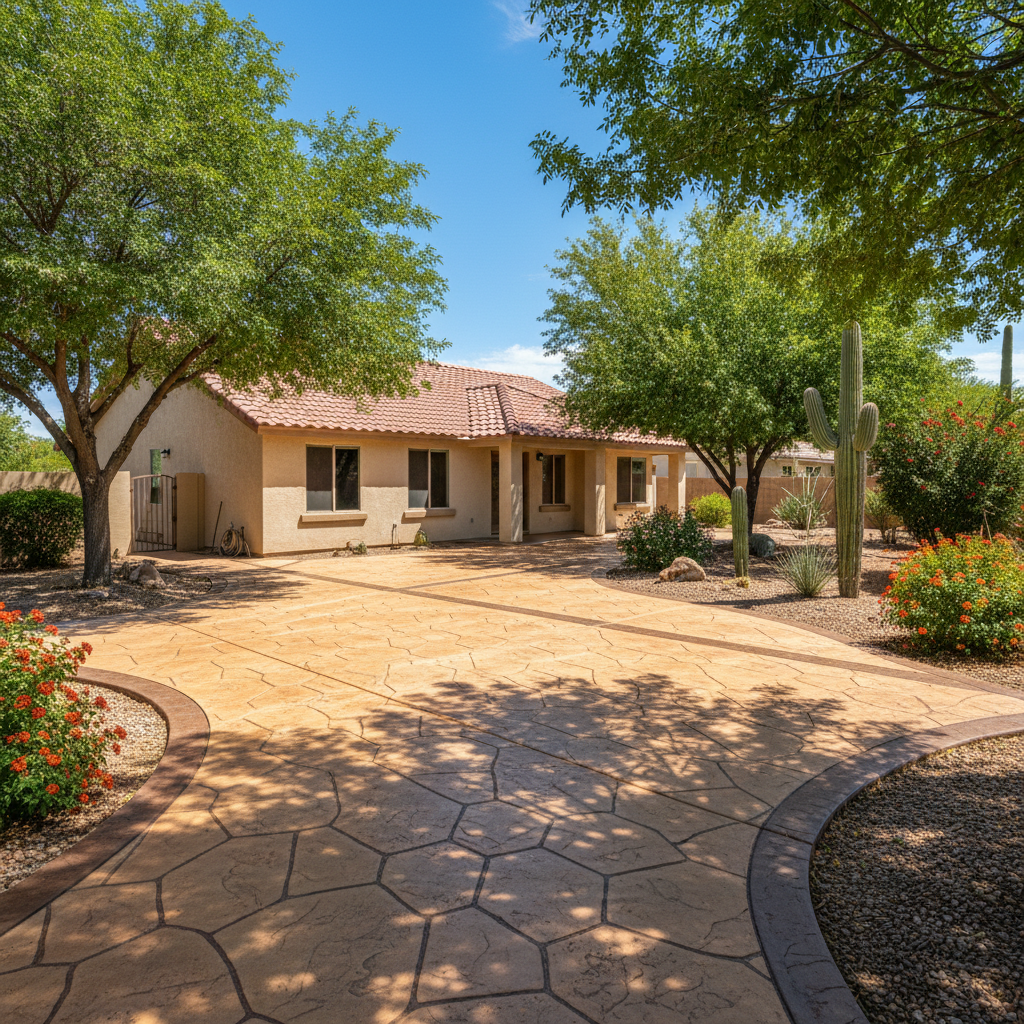
Thinking about getting some new concrete work done around your place here in Bullhead City? Maybe a new patio, a driveway, or some fresh pathways. That's fantastic! But before you dive in, you really need to consider *when* you're doing it. Our desert climate isn't like other places; it throws some unique challenges at concrete, and if you don't time it right, well, you're just asking for trouble down the road.
When's the Best Time to Pour Concrete in Bullhead City?
Look, if you ask me, the absolute sweet spot for pouring concrete around here is during the cooler months. We're talking late fall, winter, and early spring. From about October through April, the daytime temperatures usually sit in that ideal 50 to 70-degree Fahrenheit range. This is perfect for concrete because it lets it cure slowly and evenly. And when it cures slower, it gets stronger – plain and simple.
Why is that so important, you ask? Well, concrete doesn't just dry; it cures through a chemical reaction with water called hydration. If things get too hot, the water evaporates way too fast, cutting that hydration process short. That means weaker concrete, more cracking, and a shorter lifespan for your investment. Nobody wants that, especially not after spending good money on a new slab.
What Weather Conditions Really Matter?
Beyond just temperature, there are a few other things we're always watching when we're planning a pour:
- Extreme Heat: This is our biggest enemy out here. When it's 110 degrees in July, that concrete mix is practically drying out on the truck before it even hits the ground. We can try to manage it with admixtures and extra care, but it's always an uphill battle. If you absolutely have to pour in the summer, we're talking about early morning pours, keeping the slab wet, and covering it immediately. It's a lot more work and carries a lot more risk, frankly.
- Wind: You know how the wind can whip up here, especially around the river? High winds can dry out the surface of fresh concrete way too fast, even on a moderately warm day. This can lead to what we call 'plastic shrinkage cracking' – those fine, spiderweb cracks you sometimes see. We'll often use windbreaks or apply curing compounds right away to fight this.
- Humidity: Or rather, the lack of it. Our desert air is super dry. That low humidity combined with heat and wind is a triple threat for rapid evaporation.
- Rain: Believe it or not, a little rain isn't always the end of the world for fresh concrete, especially if it's just a light drizzle after the concrete has been placed and finished. But heavy rain can wash out the cement paste, weaken the surface, and leave it looking pitted. We always keep an eye on the forecast, and if there's a good chance of a downpour, we'll reschedule. It's just not worth the risk.
So, when you call us at Top Notch Concrete Solutions, we're not just looking at our schedule; we're looking at the forecast for the whole week. We want to set your concrete up for success from day one.
Protecting Your Concrete Investment Year-Round
Once your concrete's in and properly cured, your job isn't quite done. You've got to protect it, especially with our intense sun and those wild temperature swings.
- Curing is Key: This starts with us, but you can help too. For the first few days, keeping that concrete moist is crucial. We'll often recommend keeping it wet or covering it with plastic sheeting to slow down the drying process. This is especially true for those larger slabs like driveways or patios.
- Seal It Up: I can't stress this enough for Bullhead City homeowners. A good quality concrete sealer is your best friend. It acts like sunscreen for your concrete, protecting it from UV rays, preventing moisture penetration, and making it easier to clean. Our intense sun can really fade and degrade unsealed concrete over time. Think about how quickly paint fades out here; concrete is no different. You'll want to reapply it every few years, depending on the product and how much traffic it sees.
- Avoid Harsh Chemicals: Don't use strong acids or de-icers on your concrete. While de-icers aren't a big concern here in Bullhead City (thank goodness!), some cleaning products can be too harsh and damage the surface. Stick to mild soaps and water for cleaning.
- Watch for Cracks: Even with the best practices, concrete can crack. It's a natural material. If you see small hairline cracks, don't panic. But if you notice larger, widening cracks, or sections starting to heave, it's a good idea to give us a call. Sometimes those cracks can be sealed to prevent water intrusion and further damage.
- Keep it Clean: Dirt, leaves, and debris can hold moisture against the concrete, promoting mildew or staining. A quick sweep or hose-down every now and then goes a long way.
Getting your concrete project done right in Bullhead City means respecting our desert environment. Plan for the cooler months, understand what weather conditions can impact the pour, and then take those simple steps to protect your investment. Do that, and your concrete will look great and last for years to come.